Why Print Marketing Still Works in a Digital-First World
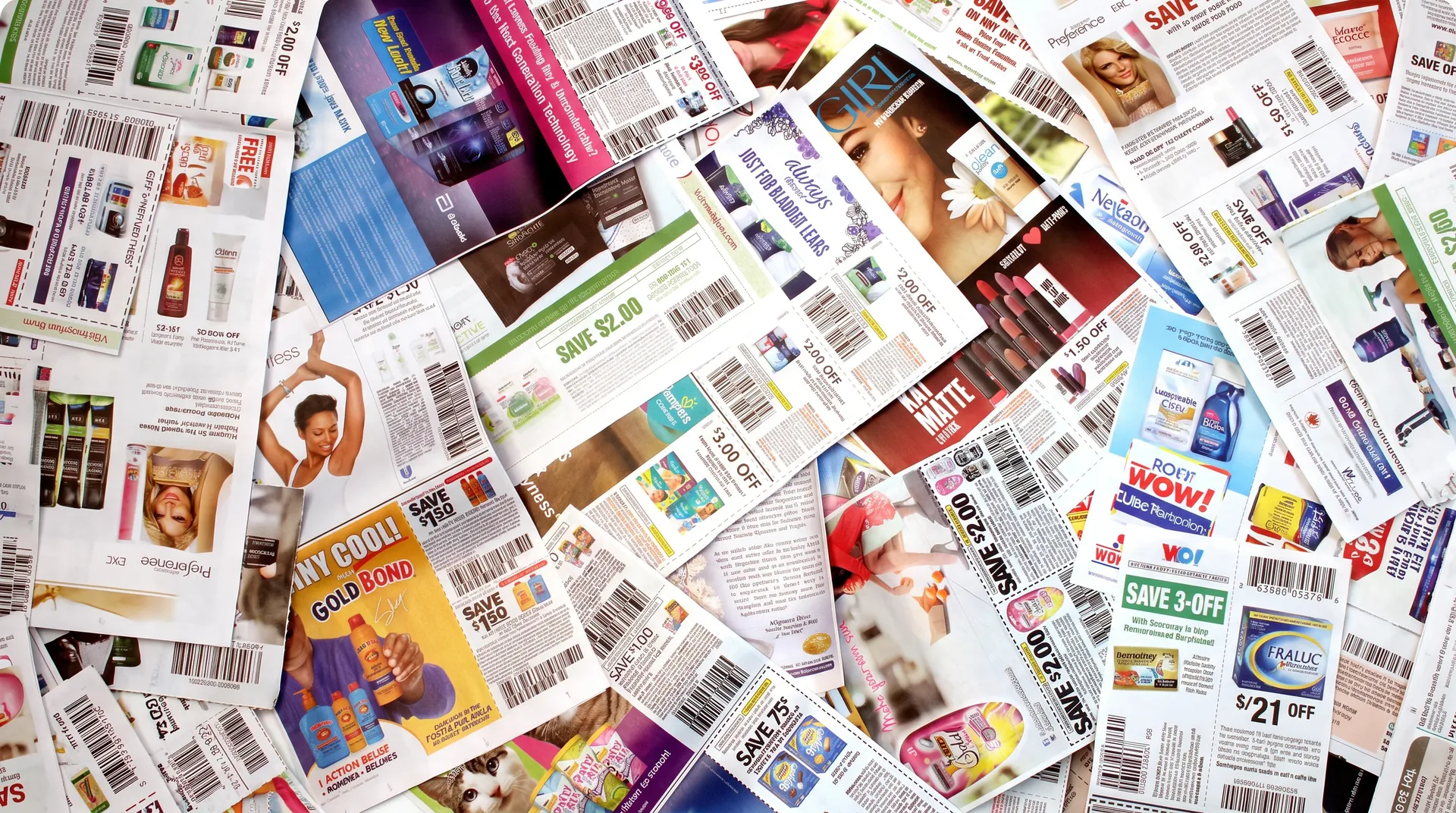
Print marketing still works because it gives people a physical piece they can keep, browse, share, or return to on their own schedule. For many businesses, the most useful role for print is not replacing digital marketing. It is making the overall campaign easier to notice, understand, and act on.
An email can be deleted in seconds. A social post can disappear in a fast-moving feed. A well-planned postcard, paper coupon, or catalog gives a customer a different experience: something tangible that can remain available after the first moment of attention has passed.
For businesses on the Delmarva Peninsula, that difference can be especially useful when the goal is to promote a local offer, introduce a new service, bring customers back, or give people a simple reason to visit a website, store, event, or sales team.
Why printed marketing still has a role
Digital channels are essential for many businesses, but they ask customers to do a great deal: open an app, remember a password, search an inbox, manage notifications, or follow a sequence of links. Print can reduce that friction by putting the offer, deadline, response method, and brand directly in front of the customer.
That does not make print automatically better than digital. It makes print useful for a different part of the customer journey. A direct mail piece can introduce the offer, while a landing page, QR code, personalized URL, phone number, or online form gives the recipient an easy response path.
Practical takeaway: The strongest campaigns often use print to earn attention and digital tools to make the next step convenient and measurable.
Paper coupons make savings easy to see and use
A paper coupon is simple by design. It can show the offer, the expiration date, the participating location, and the redemption instructions in one place. Customers can keep it in a wallet, on a refrigerator, or with their shopping list until they are ready to use it.
That simplicity is valuable when an offer is meant to be immediate and easy to understand. Retailers, restaurants, service businesses, and community organizations can use printed coupons to promote a seasonal special, welcome a new customer, encourage a return visit, or support a local event.
For a coupon to be useful, it should answer four questions quickly:
- What is the offer? State the savings or benefit in plain language.
- Who can use it? Identify any eligibility conditions clearly.
- When does it expire? Make the deadline visible.
- How does the customer redeem it? Use a store location, code, QR code, website, or phone number that fits the business.
Mail Movers can help businesses produce coupon-focused postcards, flyers, and direct mail pieces that are designed for the mailing format and response method selected for the campaign.
Catalogs and mail pieces create room for browsing
Some offers need more space than a banner ad or a short social caption can provide. A catalog, booklet, brochure, or multi-panel mailer can organize products, services, seasonal ideas, and calls to action in a format customers can review at their own pace.
For example, a retailer might use a catalog-style mailer to group products by need or season. A health care organization might use a brochure to explain service lines. A local contractor may use a mailer to show before-and-after examples, service options, and a clear estimate request path.
The point is not to fill every available inch with copy. The point is to make the message easy to navigate. A well-structured piece uses clear sections, readable headlines, relevant images, and one primary next step.
Match the format to the decision
| If the customer needs to… | A print format to consider | A useful response path |
|---|---|---|
| Act on a simple local offer | Postcard or coupon mailer | QR code, offer code, store visit, or phone call |
| Compare multiple products or services | Catalog, booklet, or folded brochure | Website, personalized landing page, or appointment request |
| Learn about a service before deciding | Letter package or brochure | Estimate form, consultation call, or service page |
| Remember an event, deadline, or recurring service | Reminder postcard or newsletter | Calendar link, website, or direct response number |
Direct mail gives local businesses a focused way to reach households
Direct mail can be planned around a defined audience rather than left to chance. A business may use its own customer list, a targeted prospect list, or Every Door Direct Mail® (EDDM®), depending on the campaign goal.
- A customer list may be appropriate for reactivation, loyalty offers, service reminders, or announcements.
- A targeted mailing list can help a business define geographic, household, or business criteria for a prospecting campaign.
- EDDM® can be a practical option when a local offer is best delivered to households on selected carrier routes.
Before printing, decide what success looks like. Is the goal a store visit, quote request, call, online purchase, appointment, registration, or coupon redemption? That decision shapes the message, mailing list, format, and tracking method.
Use print and digital together, not as competing channels
The most practical print campaigns give the recipient a clear bridge to digital. That bridge might be a QR code leading to a campaign-specific page, a memorable URL, a promotion code, a tracked phone number, or a simple request form.
A coordinated campaign can also use email or social media after the mail piece lands. The customer does not need to choose between print and digital; the business can give them several easy ways to respond.
When planning a multi-channel campaign, keep the offer and message consistent across every touchpoint. If the postcard promises a seasonal discount, the landing page should show the same offer and deadline. If the mailer asks recipients to schedule a consultation, the online form should be short and easy to find.
A practical checklist before you print
Before placing a direct mail order, review the following:
- Define the audience and campaign objective.
- Select the format that fits the amount of information the customer needs.
- Write one primary call to action.
- Confirm the offer terms, dates, and response path.
- Choose a list strategy and complete list cleaning when appropriate.
- Confirm artwork, mailing specifications, postage options, and timing.
- Decide how calls, web visits, redemptions, or inquiries will be recorded.
A well-planned mail piece does not need to do everything. It needs to make the right next step clear for the audience it is intended to reach.
Frequently asked questions about print marketing
Does print marketing replace digital marketing?
No. Print and digital marketing can serve different roles. Print can introduce an offer or provide information in a physical format, while digital channels can support response, follow-up, and measurement.
What type of business can use printed coupons or direct mail?
Local retailers, restaurants, service providers, nonprofits, health care organizations, real estate professionals, and other organizations can use print when they have a clear audience, offer, or message. The format and list should match the campaign objective.
Can a direct mail piece send customers to a website?
Yes. A postcard, letter, or brochure can include a QR code, short URL, personalized landing page, offer code, or contact form link. The destination should match the offer in the mail piece and work well on mobile devices.
How do I get started with a print marketing campaign?
Start with the goal, audience, offer, timing, and desired response. Mail Movers can help evaluate printing, mailing, list, and postal-preparation options for the campaign you want to run.
Plan a print campaign that supports the next customer action
Print still has a practical place in a digital-first marketing plan when it is used intentionally. Whether the campaign calls for coupons, postcards, a catalog-style mailer, or a more detailed direct mail package, the piece should make the offer clear and the response simple.
Request a campaign estimate to discuss your audience, format, mailing strategy, and production timeline with Mail Movers.
Tags:
Ready to Start Your Direct Mail Campaign?
Let Mail Movers help you create effective direct mail campaigns that deliver results. Get a free quote or explore our services to learn more.
Related Articles

How Direct Mail Can Help Build Stronger Customer Relationships
Strong customer relationships grow through relevant communication, useful feedback, and thoughtful follow-up. Learn how direct mail can support that work.
How to Promote Direct Mail Before It Arrives
A direct-mail campaign can start before the mailbox moment. Use a coordinated email preview, Informed Delivery, consistent artwork, and practical reporting to build recognition before the physical piece arrives.

How AI Turbocharges Your Print Marketing: Speed, Personalization, and Scale
AI is not replacing your marketing strategy — it is accelerating your production. From generating headline variations in minutes to personalizing direct mail copy for different segments at scale, here is how smart marketers are using AI to produce better print materials faster.