
Sustainable Print Marketing: 5 Ways to Reduce Waste Without Losing Focus
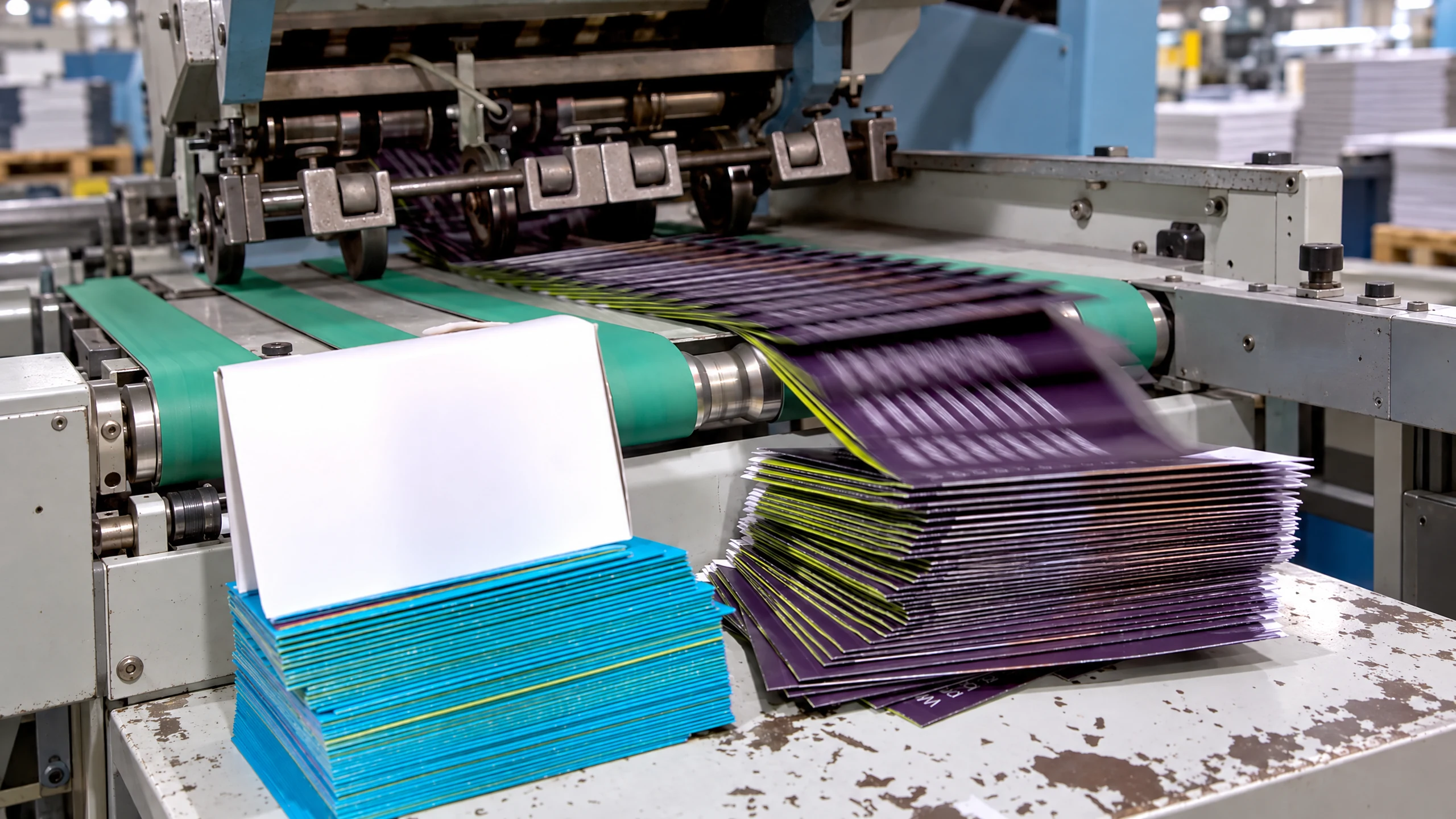
Sustainable print marketing does not have to mean doing less marketing. It means making each printed piece earn its place in the campaign.
For a Delmarva business or nonprofit, the practical goal is simple: avoid producing, mailing, or storing materials that do not support a clear purpose. Better audience planning, right-sized formats, realistic quantities, and purposeful finishing can reduce unnecessary material use while helping your budget stay focused on the people you actually need to reach.
1. Start with the audience, not the quantity
The most efficient mailpiece is the one sent to an audience that makes sense for the offer. Before deciding how many pieces to print, define who should receive the message and what action you want them to take.
For an existing customer list, that may mean separating recent customers from lapsed ones or tailoring a message by location or service interest. For prospecting, a targeted mailing list can help you narrow the audience by geography, household characteristics, or business criteria. The point is not to target every available field. It is to choose the criteria that are relevant to the campaign.
When the audience is better defined, your team has a clearer reason for every piece it produces and mails.
2. Choose a format that fits the message
A larger mailpiece is not automatically the better mailpiece. A format should give the offer, call to action, and required details enough room to work without adding space that serves no purpose.
For example, a concise seasonal reminder may fit a postcard, while a donor appeal or detailed service explanation may need a letter package or brochure. The right choice depends on the information you need to communicate, the audience, and the response path—not on a one-size-fits-all preference for the largest format.
Mail Movers can review printing options for postcards, letters, newsletters, brochures, and other formats as part of a project discussion. It is a practical way to match the physical piece to the work it needs to do.
3. Plan quantities around a real campaign window
Extra brochures and mailers can feel like a safety net. But materials that sit too long may become outdated when pricing, staffing, services, branding, or contact information changes.
Instead of printing a large surplus by default, plan the quantity around the actual campaign, distribution period, and a reasonable reserve. If your message changes often, divide the work into smaller waves or versions rather than committing all of the material at once.
This approach is especially useful for organizations with seasonal offers, recurring events, or frequent program updates. The right quantity is the quantity you have a credible plan to use.
4. Use finishes when they have a job to do
Coatings, laminates, and specialty finishes can be helpful when a mailpiece needs durability, moisture resistance, or a particular presentation. They should be selected because they solve a real production or use-case need—not because they are an automatic addition.
Ask a few direct questions during planning:
Will the piece be handled often or displayed for an extended period?
Does the finish make an important visual or functional difference?
Would a simpler stock and finish support the campaign just as well?
A clear answer keeps the production specification tied to the campaign objective. It can also help the team avoid adding materials and cost that do not improve the recipient’s experience.
5. Review the campaign calendar before adding another mailing
A higher number of mailings is not always a stronger communication plan. Sometimes two messages can be coordinated into one more useful piece. Other times, separate touchpoints are necessary because the offers, audiences, or response actions are different.
The key is to make the decision intentionally. Look at what has already been mailed, what needs to be communicated next, and whether combining messages would make the piece clearer or more confusing. A nonprofit, for example, may be able to pair an event update with a donor message when the audiences and timing overlap. A retailer may need separate mailings when each offer has a different deadline or customer segment.
Campaign cadence should be driven by relevance, not by habit.
Sustainable Print Marketing Is Better Campaign Planning
Print marketing becomes more responsible when the strategy comes before the order. Define the audience. Match the format to the message. Produce a quantity that you can use. Choose materials and finishes with purpose. Then review whether each planned touchpoint has a clear job.
That process does not require perfect predictions. It requires a thoughtful plan and a willingness to adjust as your campaign, inventory, or audience needs change.
If you are planning a direct-mail or print project, contact Mail Movers to discuss the audience, format, quantities, and mailing considerations before production begins. Our Salisbury team works with businesses and nonprofits across the Delmarva Peninsula on practical print-and-mail planning.
Frequently Asked Questions
What is sustainable print marketing?
Sustainable print marketing is an approach to planning printed communications so that materials, production choices, quantities, and mailing activity are connected to a clear purpose. In practice, it means reducing avoidable waste while still giving the audience the information and call to action they need.
Can targeted mailing lists help reduce unnecessary mail?
They can help when the targeting criteria are relevant to the campaign. A defined audience can reduce the number of pieces sent to people who are unlikely to need the offer. The best criteria depend on your service area, ideal customer, message, and campaign goal.
Should I always choose the smallest direct-mail format?
No. Choose the format that gives your message and response path enough space to work clearly. A smaller piece may be appropriate for a simple offer, while a more detailed message may require a letter, brochure, or larger format. The important question is whether the format fits the job.
How can I avoid outdated printed materials?
Plan quantities around a defined campaign period, keep a realistic reserve, and avoid printing a large surplus when key details are likely to change. For evolving offers or programs, smaller versions or scheduled production waves may be more practical.
Tags:
Ready to Start Your Direct Mail Campaign?
Let Mail Movers help you create effective direct mail campaigns that deliver results. Get a free quote or explore our services to learn more.
Related Articles

How AI Turbocharges Your Print Marketing: Speed, Personalization, and Scale
AI is not replacing your marketing strategy — it is accelerating your production. From generating headline variations in minutes to personalizing direct mail copy for different segments at scale, here is how smart marketers are using AI to produce better print materials faster.

How to Design a Direct Mail Postcard That Gets Responses
Design a direct mail postcard that gets noticed and drives response. Learn USPS size specs, bleed requirements, and design best practices.

Why Bigger Postcards Get Better Results
Want to outperform your competitors with your direct mail pieces consistently? Go big! Oversized postcards consistently outperform smaller formats.